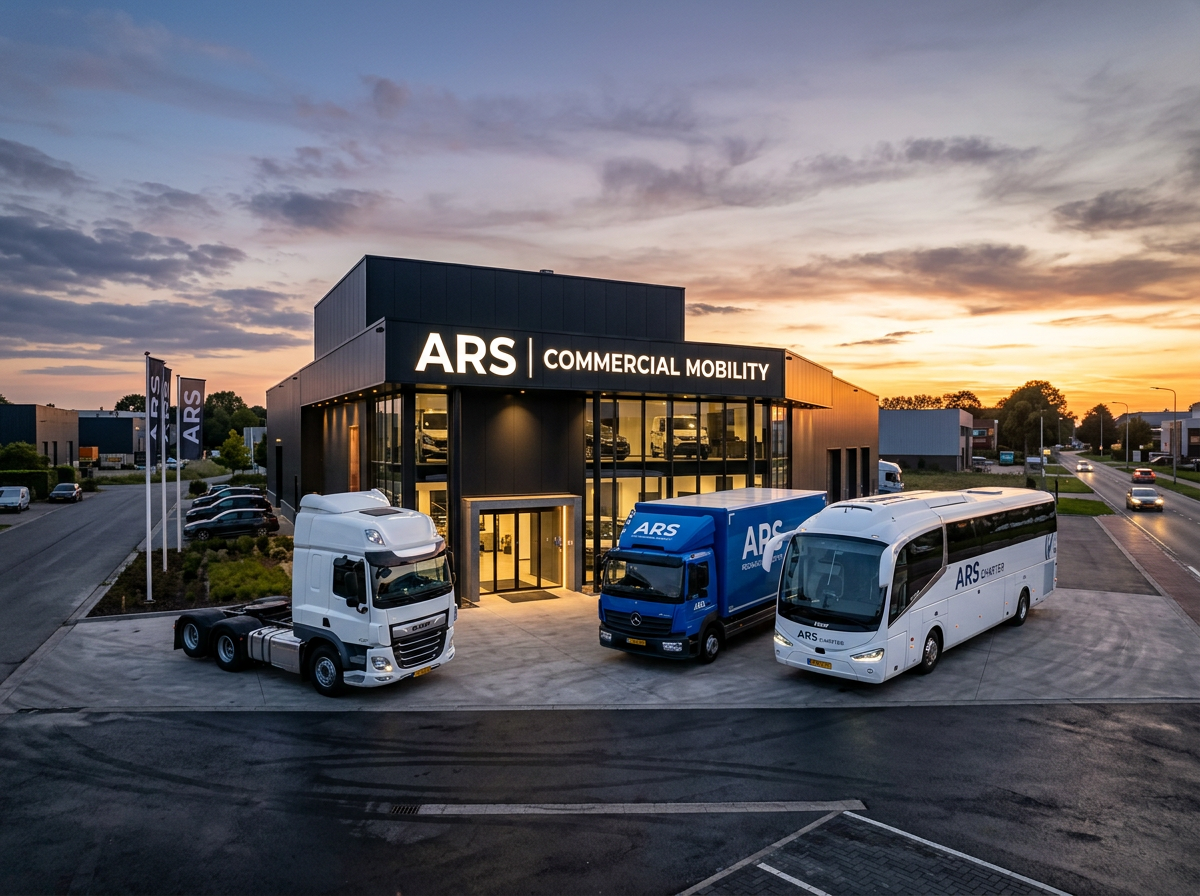
Connected Tech & ADAS: How Smart Automobiles Are Transforming Indian Roads
From Autonomous Emergency Braking and Adaptive Cruise Control to remote smartphone climate start, discover how connected safety tech is saving lives every single day.

Rohan Deshmukh
Head of EV Initiatives, ARS Imperial Landmark
Executive Takeaways & Key Highlights
- 1Level 2 ADAS features have reduced rear-end highway collision rates significantly.
- 2Connected telemetry lets owners remotely track real-time location, speed alerts, and geo-fencing.
- 3Radar and optical sensor calibration during windshield or bumper repairs is now mandatory.
The Democratization of Vehicle Safety
A decade ago, Advanced Driver Assistance Systems (ADAS) were reserved exclusively for imported luxury sedans costing over a crore. Today, forward-thinking manufacturers in our partner lineup — from Hyundai, Tata, and Mahindra to Toyota and Kia — offer comprehensive Level 2 ADAS in accessible family SUVs.
Features like Blind Spot Collision Warning, Lane Keep Assist, and Forward Collision Avoidance act as a vigilant co-pilot on chaotic city roads and high-speed expressways alike.
“Technology should never be a luxury privilege; it should be an omnipresent guardian on every journey.”
Maintaining High-Tech Sensor Systems
Because ADAS depends on delicate millimeter-wave radars, forward-facing monocular cameras, and ultrasonic sensors, precision calibration after any minor fender bender or windshield replacement is paramount.
ARS Imperial Landmark workshops are equipped with certified electronic target boards and laser-guided alignment racks to ensure factory-calibrated accuracy for every sensor.
Rohan Deshmukh
Head of EV Initiatives, ARS Imperial Landmark
Passionate about shaping modern automotive retail and sharing technical clarity with vehicle owners across North and East India.
Related Articles You May Like
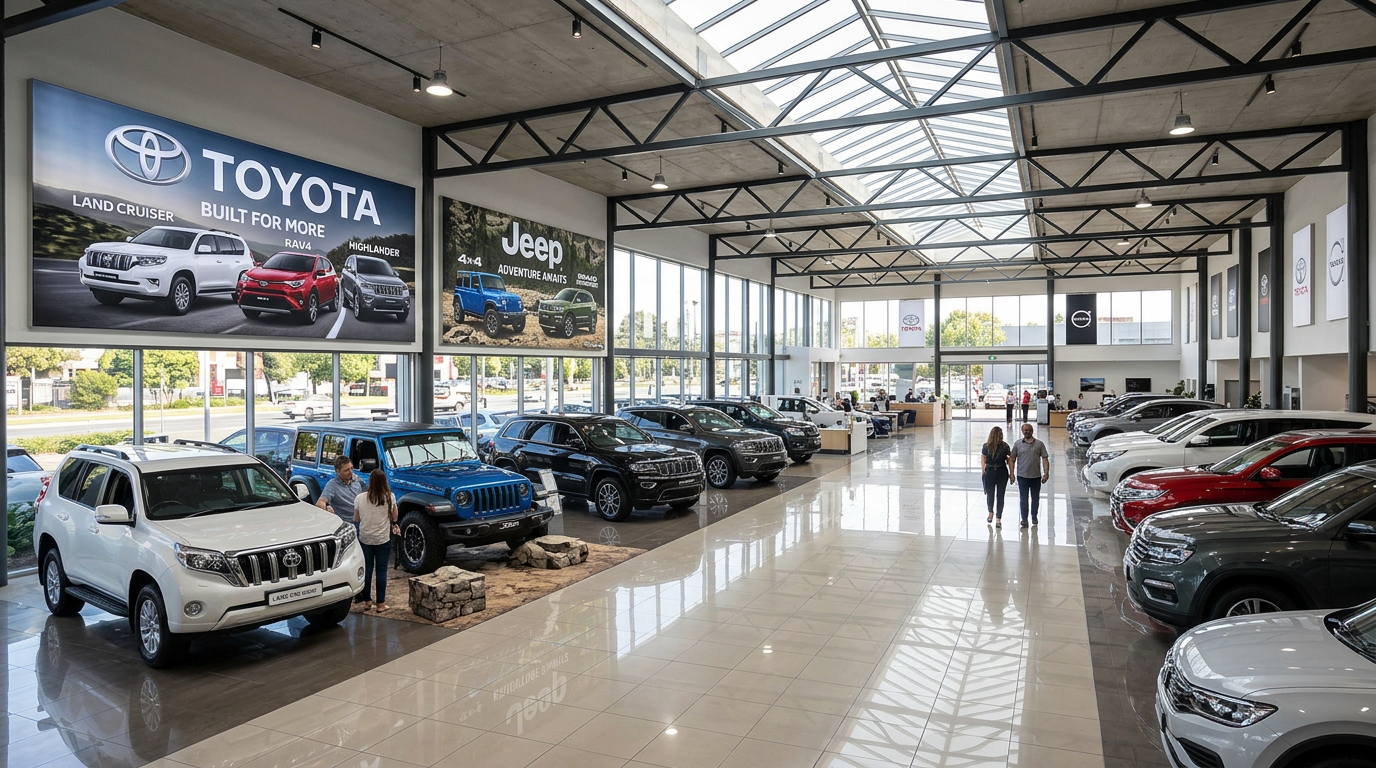
The Rise of EVs in India: What It Means for Dealerships & Car Buyers
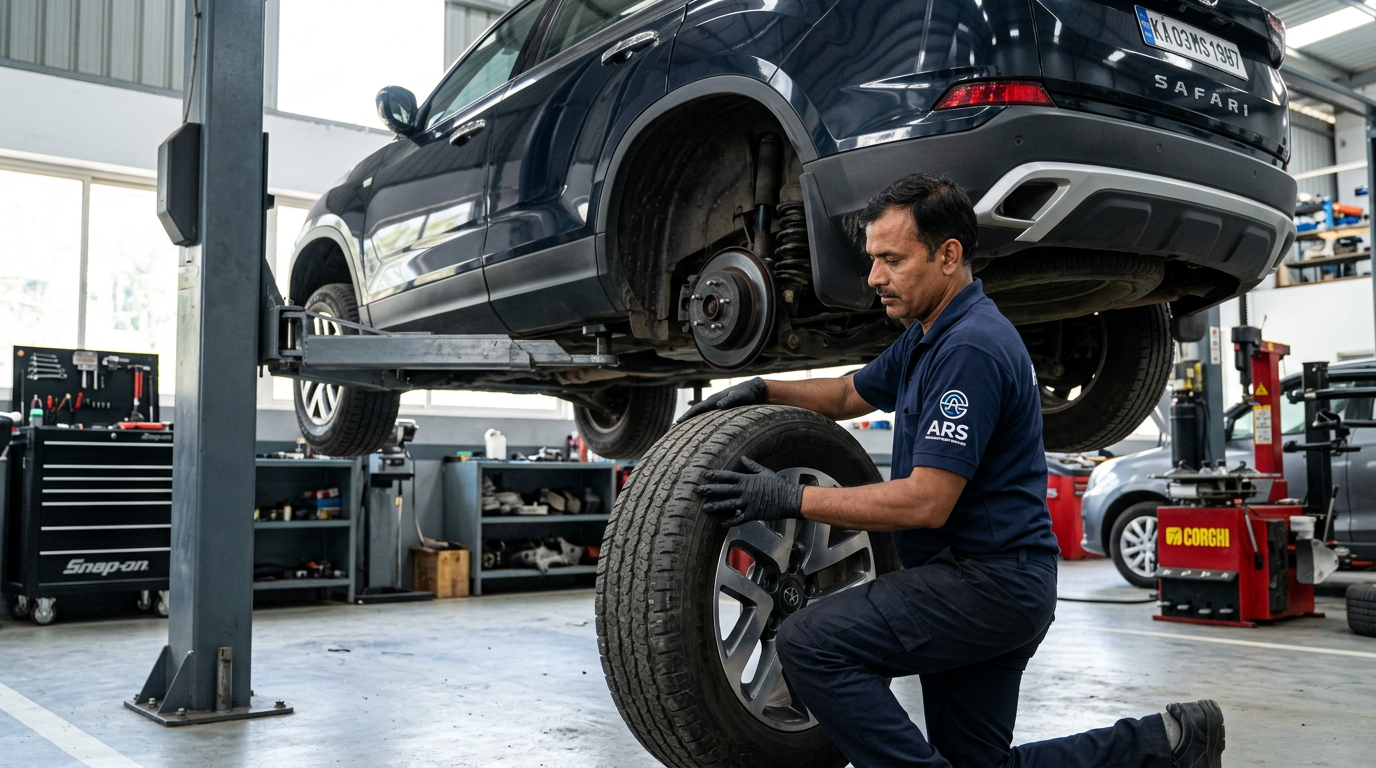
How After-Sales Service & Certified Technicians Build Decades of Trust